
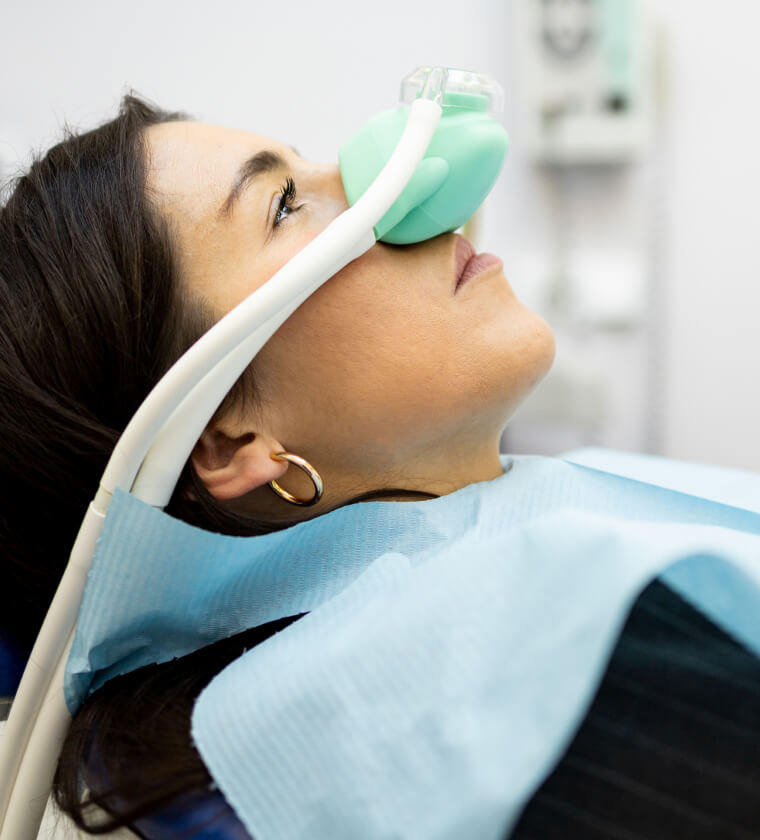
Nitrous Oxide
Nitrous oxide, sometimes called laughing gas, is a mild form of sedation that is inhaled through a small mask placed over your nose. It can help reduce anxiety and make dental treatment feel more comfortable while allowing you to remain awake and responsive. Nitrous oxide takes effect quickly and is also cleared from the body quickly after the gas is stopped. It may be a good option for patients who experience mild to moderate dental anxiety or have difficulty relaxing during treatment.
Oral Conscious Sedation
Oral conscious sedation uses prescribed medication taken before or around the time of your appointment to help you feel calm and relaxed. You remain conscious and can communicate with our team, but you will likely become drowsy and have little memory of the procedure. This option can be helpful for patients with moderate to severe dental anxiety or those who need more extensive treatment. Because the medication can affect alertness and coordination, patients need someone else to drive them to and from the appointment.
IV Sedation
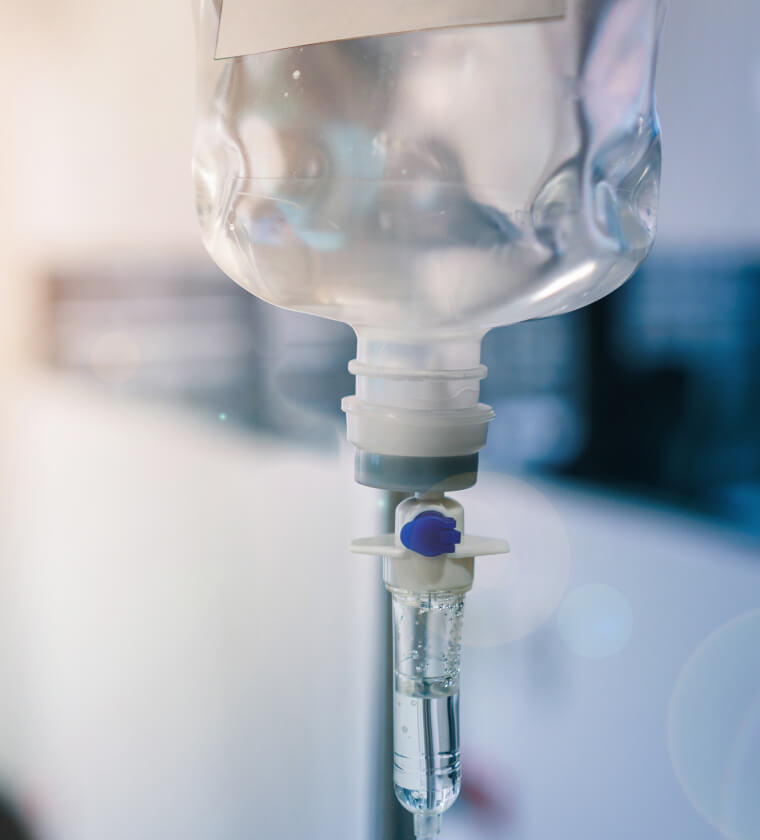
IV sedation delivers sedative medication through a vein, allowing the level of sedation to be adjusted throughout treatment. It can provide a deeper level of relaxation and is often considered for patients with significant dental anxiety or longer or more involved procedures. IV sedation requires careful monitoring and appropriate preparation before, during, and after treatment. For this sedation option, we have an experienced anesthesiologist visit our practice to administer and monitor the sedation for safety purposes.
OraVerse
OraVerse® is different from traditional sedation because it is used to reverse the effects of local dental anesthesia rather than to reduce anxiety. After certain procedures, your lips, tongue, and cheeks may remain numb for several hours. OraVerse can help shorten the amount of time you experience this numbness and restore normal sensation and function sooner. This can make it easier to speak, eat, and drink normally following your appointment.

Dr. Chang Answers Your Questions
What are the side effects of dental sedation?
Side effects depend on the type of sedation used. Temporary drowsiness, dizziness, nausea, headache, or grogginess may occur with some forms of sedation. These effects typically only last for about a day at most. Should you have any questions or concerns post-treatment, we’ll be glad to assist.
How long does it take to recover from dental sedation?
Recovery time varies. Nitrous oxide generally wears off quickly after treatment, and patients can usually return to their normal routines right away. Oral and IV sedation can cause drowsiness for several hours, so we always advise patients to go straight home and plan to rest for the remainder of the day.
Can I drive myself home after dental sedation?
Patients are normally able to drive after nitrous oxide once our dental team confirms that you are alert and ready. You should not drive yourself after oral conscious sedation or IV sedation. Patients are required to arrange for a responsible adult to wait in our waiting room during your treatment and drive you home post-treatment.
Is dental sedation safe?
Sedation can be safely provided when the appropriate technique, monitoring, patient screening, and safety protocols are followed. Our team always reviews health history, medications, and treatment needs to determine if sedation is right for a patient and which treatment will be the safest, most effective choice.