

Tooth-Colored Dental Fillings
Tooth-colored dental fillings are used to repair teeth affected by cavities or minor damage. Made from a composite resin material, these fillings can be matched to the natural shade of your teeth. We remove the damaged portion of the tooth, clean the area, and carefully place the filling to restore the tooth’s shape and function while maintaining a natural-looking appearance.
Dental Crowns & Bridges
Dental crowns are custom restorations that cover and protect damaged or weakened teeth. We may recommend a crown when a tooth has significant decay, a large filling, or damage that cannot be repaired with a filling. Dental bridges replace one or more missing teeth by using neighboring teeth for support. Both treatments can restore your ability to chew and help maintain your smile.
Root Canal Therapy
Root canal therapy can save a tooth when infection or inflammation reaches the inner pulp. During treatment, we remove the affected tissue, clean and disinfect the inside of the tooth, and seal it to help prevent reinfection. A dental crown may then be recommended to protect the restored tooth and return it to normal function.
Dental Implants
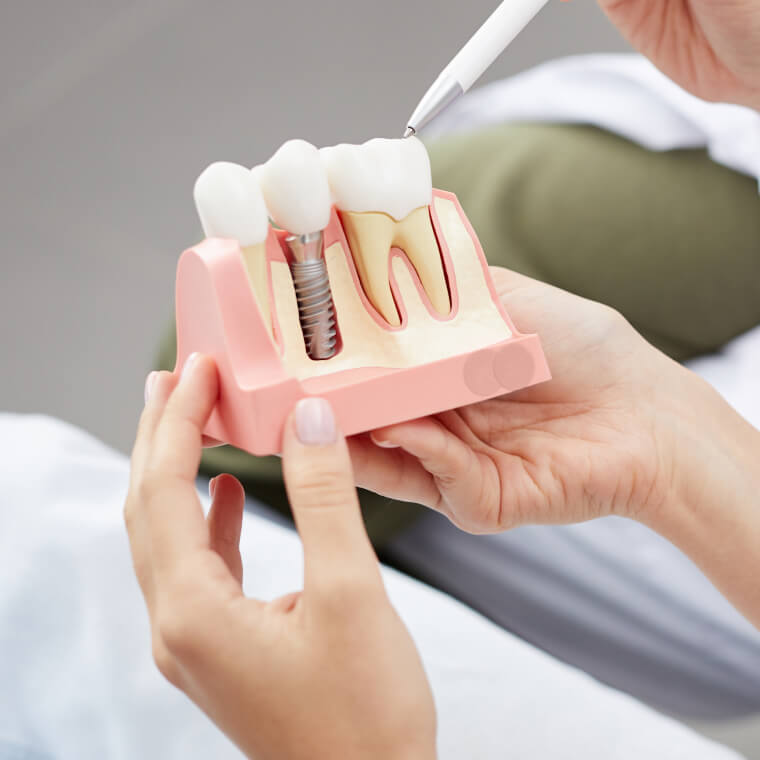
Dental implants are a long-term option for replacing missing teeth. An implant post is placed in the jawbone to provide a stable foundation for a dental crown, bridge, or denture. Because implants integrate with the surrounding bone, they can provide a secure and natural-feeling replacement for missing teeth.
Full & Partial Dentures
Full dentures replace an entire arch of missing teeth, while partial dentures replace several missing teeth when some natural teeth remain. We can design dentures to fit comfortably and restore important functions such as chewing and speaking while improving the appearance of your smile.
Implant-Supported Dentures
Implant-supported dentures combine the stability of dental implants with the convenience of dentures. Instead of resting solely on the gums, the denture attaches to strategically placed implants. This can reduce movement and provide greater stability while eating and speaking.
Dental Extractions
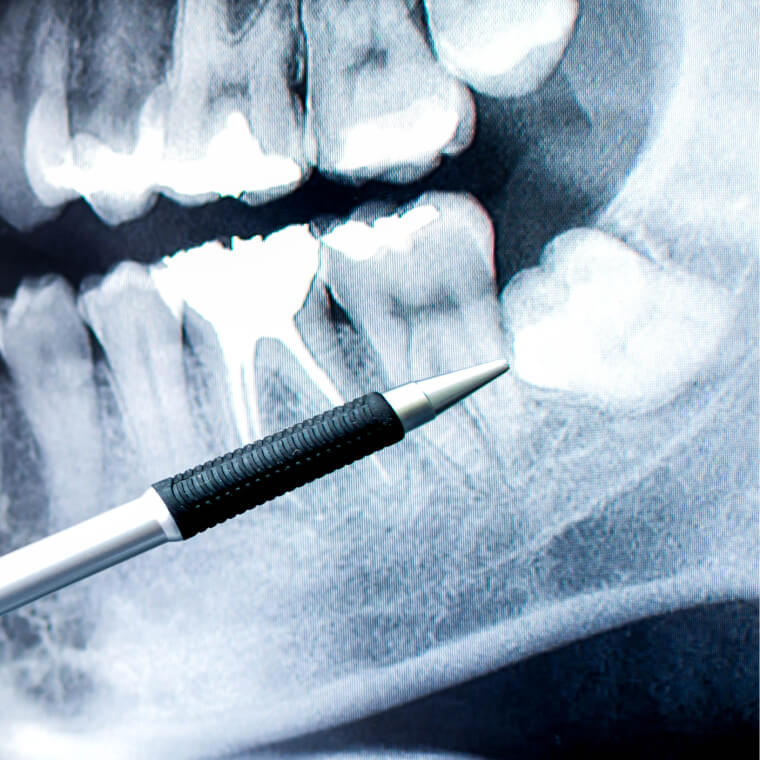
Although our goal is always to preserve natural teeth when possible, extraction may sometimes be the best option for a severely damaged, decayed, or infected tooth. We will carefully evaluate the tooth and discuss replacement options when appropriate.
Wisdom Teeth Removal
Wisdom teeth can sometimes become impacted, crowded, infected, or difficult to keep clean. Removing problematic wisdom teeth can help protect surrounding teeth and reduce the risk of future complications. We will evaluate the position and development of your wisdom teeth before recommending removal.
Bone Graft Procedures
A bone graft may be recommended when there is not enough jawbone to support a dental implant. The procedure adds bone material to an area that has experienced bone loss, helping create a stronger foundation for future implant treatment. We will explain whether bone grafting is necessary based on your individual needs.

Dr. Chang Answers Your Questions
How do I know which restorative treatment I need?
The Silk team will begin with a thorough examination and review of your dental history, symptoms, and goals. Based on what we find, we will explain your treatment options and recommend the approach that best addresses your oral health needs.
Can you save a damaged tooth instead of extracting it?
Whenever possible, we prefer to preserve your natural teeth. Depending on the extent of the damage, we may be able to restore a tooth with a filling, crown, or root canal. If a tooth cannot be predictably restored, I will explain why extraction may be the better option.
How long do dental restorations last?
The lifespan of a restoration varies depending on the type of treatment, your oral hygiene, your bite, and other factors. Our team will provide instructions for caring for your restoration and check it during your routine dental visits to help maintain its condition.
Are dental implants a good option for missing teeth?
Dental implants can be an excellent option for many patients who have lost one or more teeth. We will evaluate your jawbone, gums, overall oral health, and treatment goals to determine whether implants are appropriate for you. If additional procedures, such as a bone graft, are needed, we will explain those options as well.
What happens if I need a tooth extraction?
If we determine that a tooth cannot be saved, we will explain why extraction is recommended and discuss ways to keep you comfortable during the procedure. We can also review tooth replacement options, such as a dental implant, bridge, or denture, to help restore your smile after extraction.
How can I prevent needing restorative dental treatment?
Good daily oral hygiene, regular dental exams and cleanings, a healthy diet, and addressing dental problems early can all help protect your teeth. We will also look for signs of decay, gum disease, and other concerns during your routine visits so we can recommend treatment before problems become more extensive.