
Dental Cleanings & Exams
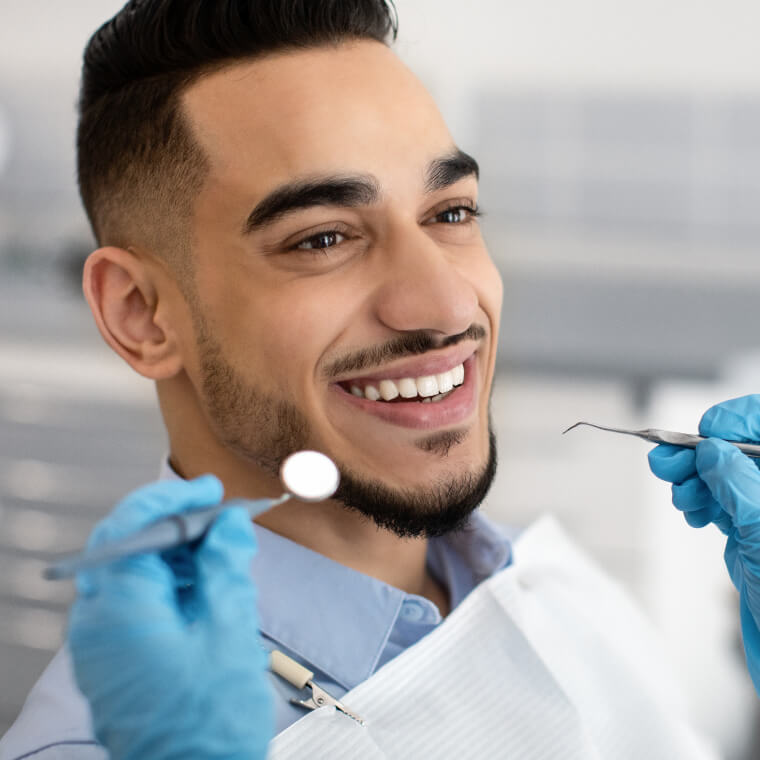
Routine dental cleanings and exams are the foundation of preventive care. During a cleaning, we remove plaque and tartar that regular brushing and flossing cannot always clear away. During your exam, we check your teeth, gums, bite, and overall oral health for signs of cavities, gum disease, and other concerns. Regular visits allow us to identify problems early, when treatment may be simpler.
Fluoride Treatments
Fluoride helps strengthen tooth enamel and make teeth more resistant to decay. Professional fluoride treatments provide a concentrated application of fluoride to your teeth and may be especially helpful for patients who are at increased risk of cavities. We can determine whether fluoride treatments should be part of your preventive care plan.
Dental Sealants
Dental sealants are thin protective coatings applied to the chewing surfaces of back teeth. These areas can have deep grooves that are difficult to clean thoroughly, allowing bacteria and food particles to collect. Sealants create a barrier over these surfaces and can help reduce the risk of cavities.
Halitosis Treatment
Persistent bad breath, or halitosis, may be related to plaque buildup, gum disease, dry mouth, certain foods, or other oral health concerns. We can evaluate the potential cause of chronic bad breath and recommend appropriate treatment. Improving oral hygiene and treating underlying dental conditions can often help freshen your breath.
Oral Cancer Screenings
Oral cancer screenings are an important part of routine dental examinations. We examine your mouth, gums, tongue, and other oral tissues for unusual changes or abnormalities. Finding suspicious areas early can improve the chances of successful treatment, so we recommend regular screenings as part of your ongoing dental care.

Botox® for TMJ
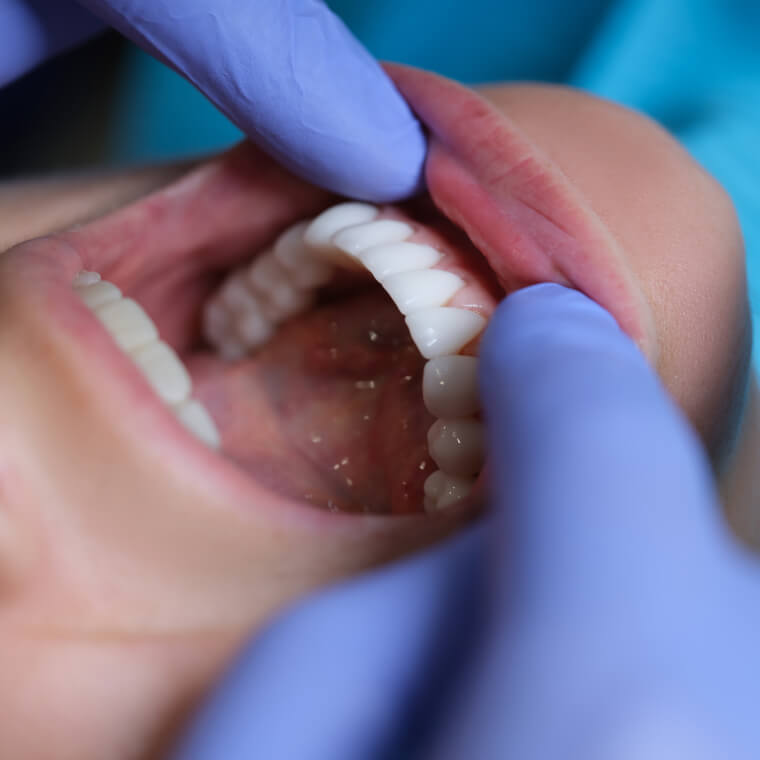
Botox may be used as part of treatment for certain TMJ-related concerns. When injected into specific muscles, Botox can temporarily reduce muscle activity and may help relieve tension and discomfort associated with jaw clenching or grinding. We will evaluate your symptoms and determine whether this treatment is appropriate for you.
Periodontal Care
Healthy gums are essential to maintaining your teeth and overall oral health. We provide periodontal care to help prevent, identify, and manage gum disease. Depending on your needs, treatment may include professional cleanings, improved home-care techniques, periodontal maintenance, or other therapies designed to control infection and inflammation.
Laser Gum Therapy
Laser gum therapy uses focused laser energy to treat certain areas affected by gum disease. Depending on the treatment needed, laser therapy may help remove diseased tissue and bacteria while supporting healthier gum tissue. We will evaluate your periodontal health to determine whether laser gum therapy is appropriate for you.
Arestin® Gum Treatment
Arestin is an antibiotic treatment that can be used alongside scaling and root planing for certain cases of periodontal disease. The medication is placed directly into infected periodontal pockets, where it helps target bacteria associated with gum infection. We may recommend Arestin when additional treatment is needed to manage localized areas of gum disease.

Dr. Chang Answers Your Questions
How often should I have a dental cleaning and exam?
We generally recommend visiting us every six months for routine preventive care, but some patients may benefit from more frequent appointments. We will recommend a schedule based on your oral health, cavity risk, gum health, and other individual factors.
Can preventive dentistry really prevent cavities?
Preventive care can significantly reduce your risk of cavities, especially when combined with daily brushing and flossing. We can also recommend fluoride, dental sealants, dietary changes, and other preventive measures based on your needs.
How do you treat gum disease?
We first determine the severity and location of your gum disease. Depending on your condition, treatment may include a deeper cleaning, periodontal maintenance, Arestin, laser gum therapy, or other periodontal services. Our goal is to control infection and help protect your gums and natural teeth.
What should I do if I have persistent bad breath?
If bad breath continues despite regular brushing and flossing, we recommend scheduling an appointment with us. We can look for common oral causes, such as gum disease, plaque buildup, or dry mouth, and recommend treatment based on what we find.
Why are oral cancer screenings important?
Oral cancer screenings allow us to look for unusual changes in the mouth that may otherwise go unnoticed. We include screenings as part of routine dental exams because early detection is an important part of protecting your oral health.