WHAT THEY ARE AND HOW THEY WORK
If a tooth becomes severely decayed, infected, or damaged, our dentists may recommend a root canal to save the natural tooth and relieve discomfort. This treatment removes the inflamed or infected pulp from inside the tooth, then cleans, disinfects, and seals the root canals to prevent further infection. Root canals are commonly performed when the inner tissue is affected but the tooth structure is still salvageable.Left untreated, infected pulp can lead to serious pain, abscesses, or even tooth loss. A root canal helps restore stability and function while preserving your natural smile. After treatment, the tooth is typically reinforced with a crown for protection and durability. While the procedure has a reputation for being painful, modern techniques make it as comfortable as getting a filling. With proper care, a root canal-treated tooth can last a lifetime.
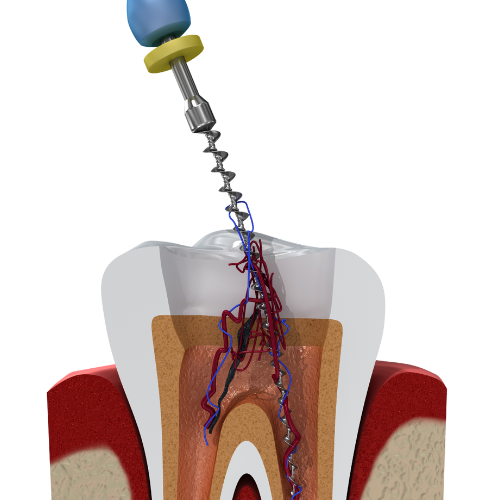

Initial Evaluation & Treatment Planning
-
Full dental exam, including X-rays, is performed to evaluate the tooth.
-
Surrounding tissues and bone structure are assessed for infection or damage.
-
Treatment options are discussed, and a root canal is confirmed as the ideal solution.
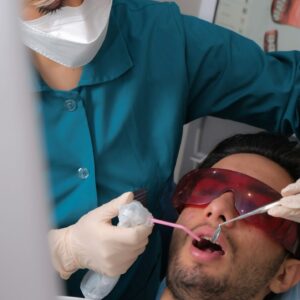
Cleaning & Temporary Filling
-
Local anesthesia is applied, and an opening is made in the tooth.
-
Infected pulp is removed, and root canals are cleaned and shaped.
-
A temporary filling is placed to seal the tooth until the next appointment.

Canal Filling & Sealing
-
Cleaned canals are filled with gutta-percha, a biocompatible material.
-
The access point is sealed with a filling to protect the tooth.
-
This step helps prevent reinfection and supports long-term stability.

Crown Placement & Final Restoration
-
After healing, a crown is custom-made to restore strength and function.
-
The crown is adjusted for proper bite, comfort, and aesthetics.
-
Once finalized, it is permanently cemented and care instructions are provided.
What to Expect During Treatment
During root canal treatment, you can expect a two-step process. At your first visit, the dentist will numb the area, remove the infected pulp, and carefully clean and shape the root canals. A temporary filling is placed to protect the tooth while it heals. You may feel mild soreness or sensitivity afterward, but it’s typically short-lived and manageable with over-the-counter medication. At your second visit, the dentist fills and seals the canals permanently, then prepares the tooth for a crown. This final restoration protects the tooth and restores its natural look, feel, and function.
How to Care for Your Root Canal
Caring for a tooth that’s had a root canal is key to ensuring long-term success. Brush twice a day with a soft-bristle toothbrush and fluoride toothpaste to protect the surrounding teeth and gums. Floss gently around the treated tooth, and consider using a water flosser for added care. Avoid chewing hard foods or using the tooth for biting until your permanent crown is placed. Once restored, continue to avoid extremely sticky or crunchy foods that could damage the crown. Regular dental checkups and cleanings are essential to monitor the treated tooth and maintain overall oral health.